Auto Theft
Theft of a Motor Vehicle Defense in Spokane
Spokane Property Crime Defense Since 1980, Focused on Your Exact Charge
Washington law separates vehicle-related accusations into several offenses. The charge may depend on whether prosecutors allege that someone took a vehicle, possessed it knowing it was stolen, drove it without permission, or participated in conduct involving its parts, identity, or sale.
We begin by identifying the charged statute, the prosecution’s theory, and the evidence supporting each required element. Permission, intent, knowledge, identification, and the circumstances surrounding possession may all affect the defense.
Call (509) 652-3330 to discuss an auto theft investigation, arrest, or pending charge with our team.
A Strategic Response to Complex Property Crime Allegations
We’ve represented clients facing property crime charges in Spokane since 1980. Our theft and burglary defense work extends throughout Spokane County and into Stevens, Lincoln, and Grant Counties.
Complex criminal cases require a response tailored to the allegations and evidence. We provide individualized attention, maintain consistent communication, and develop a strategy based on the circumstances of each case.
Washington Vehicle Theft Charges Aren’t Interchangeable
The charge determines what prosecutors must prove. Theft of a motor vehicle, possession of a stolen vehicle, and taking a motor vehicle without permission are separate offenses under Washington law.
Theft of a Motor Vehicle
RCW 9A.56.065 classifies theft of a motor vehicle as a Class B felony. Theft generally involves wrongfully obtaining or exercising unauthorized control over another person’s property with intent to deprive that person of it.
Possession of a Stolen Vehicle
RCW 9A.56.068 defines possession of a stolen vehicle as a separate Class B felony. This charge centers on the alleged possession, retention, concealment, receipt, or disposal of a stolen vehicle with knowledge that it was stolen.
Taking a Motor Vehicle Without Permission
RCW 9A.56.070 and RCW 9A.56.075 define taking a motor vehicle without permission in the first and second degrees. These statutes may apply when someone allegedly takes or drives a vehicle without the owner’s permission. The first-degree offense requires specified additional conduct.
Those allegations may involve altering the vehicle’s identity or appearance, removing parts for particular purposes, exporting or attempting to export it, or intending to sell it. We review the precise statutory language and available evidence before determining how to address the charge.
Potential Penalties Depend on the Charge and Sentencing Factors
Theft of a motor vehicle, possession of a stolen vehicle, and first-degree taking a motor vehicle without permission are Class B felonies. Taking a motor vehicle without permission in the second degree is a Class C felony.
Under Washington’s general felony limits, a Class B felony may carry up to 10 years in prison and a fine of up to $20,000. A Class C felony may carry up to five years in prison and a fine of up to $10,000. These are statutory maximums, not predictions of the sentence in a particular case.
Sentencing analysis may involve the specific offense, criminal history, offense score, aggravating or mitigating circumstances, restitution, and additional charges arising from the same incident. Washington calculates the offense score using factors such as qualifying prior convictions and current offenses.
A felony conviction can also affect employment, housing, professional licensing, and jobs that require driving. Because statements may become evidence, anyone facing an investigation should seek individualized legal advice before discussing the allegations with investigators or others.
Five-Star Reviews From Happy Clients
Fighting for You With Compassion and Skill
-
“They go above and beyond for the client... extremely hard-working!!” - Katie H.
-
“I received excellent, professional advice.” - Darcy
Evidence We Examine in a Vehicle Theft Case
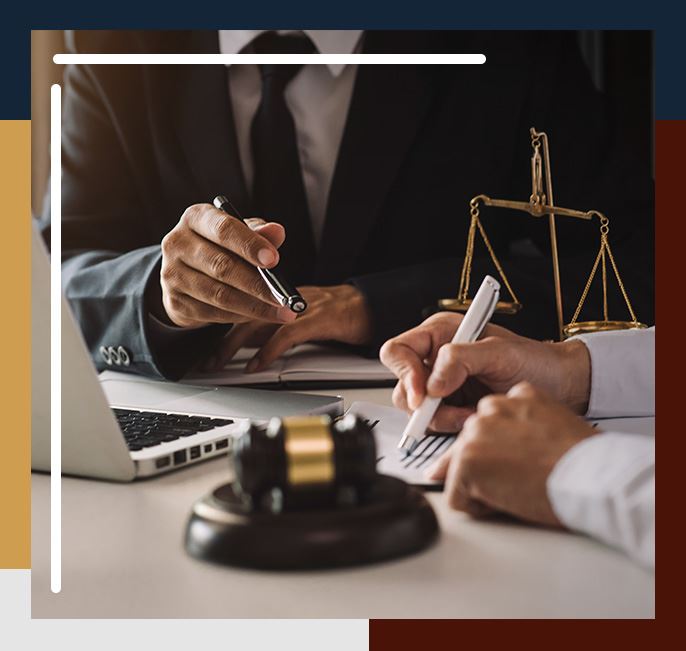
Our strategic and proactive approach starts with what the state must establish. We examine the evidence, how it was obtained, and whether it supports the prosecution’s interpretation of events.
A case review may address:
- Ownership and permission: Who owned or lawfully possessed the vehicle, what permission was given, and whether it was limited or withdrawn.
- Intent and knowledge: What the accused person allegedly intended and whether the evidence establishes knowledge that the vehicle was stolen.
- Identification evidence: Whether witnesses, surveillance, photographs, or other records reliably connect the accused person to the alleged conduct.
- Vehicle evidence: Where the vehicle was found, its condition, whether parts or identifying features were altered, and who had access to it.
- Statements and digital records: What was said to police or others and what phone, location, message, or account data may show.
- Searches and seizures: Whether officers lawfully obtained physical or digital evidence.
Depending on the record, a defense may challenge a required element, contest an identification, dispute the state’s account, pursue negotiations, or prepare for trial. Suppression of evidence involves asking the court to exclude evidence obtained in violation of legal protections. Whether that option applies depends on how the evidence was collected.
Returning a vehicle or cooperating with an investigation doesn’t automatically resolve criminal liability. We examine those actions in context rather than assuming they establish guilt or end the case.
A Spokane Defense Firm Rooted in Integrity, Equality, and Justice
Founded by Carl Maxey in 1980, Maxey Law Office continues his commitment to integrity, equality, and justice. Our firm is now in its third generation of the Maxey family. We remain focused on providing personalized attention so clients don’t get lost in a large-market practice.
We prioritize prompt, open communication so clients understand the charge, upcoming obligations, and practical decisions ahead. When circumstances require it, we can also meet clients at home or in a hospital.
Get Clear Direction on Your Vehicle Theft Charge
Contact us for a free consultation about an investigation, arrest, court date, or pending auto theft charge. We can review the applicable statute, discuss evidence concerns, and identify the next practical step based on your circumstances.
We provide individualized criminal defense representation throughout Spokane, Stevens, Lincoln, and Grant Counties. Our attorneys bring decades of property crime experience, responsive communication, and a strategy tailored to each client’s case.
Call (509) 652-3330 to request your free consultation with Maxey Law Office.